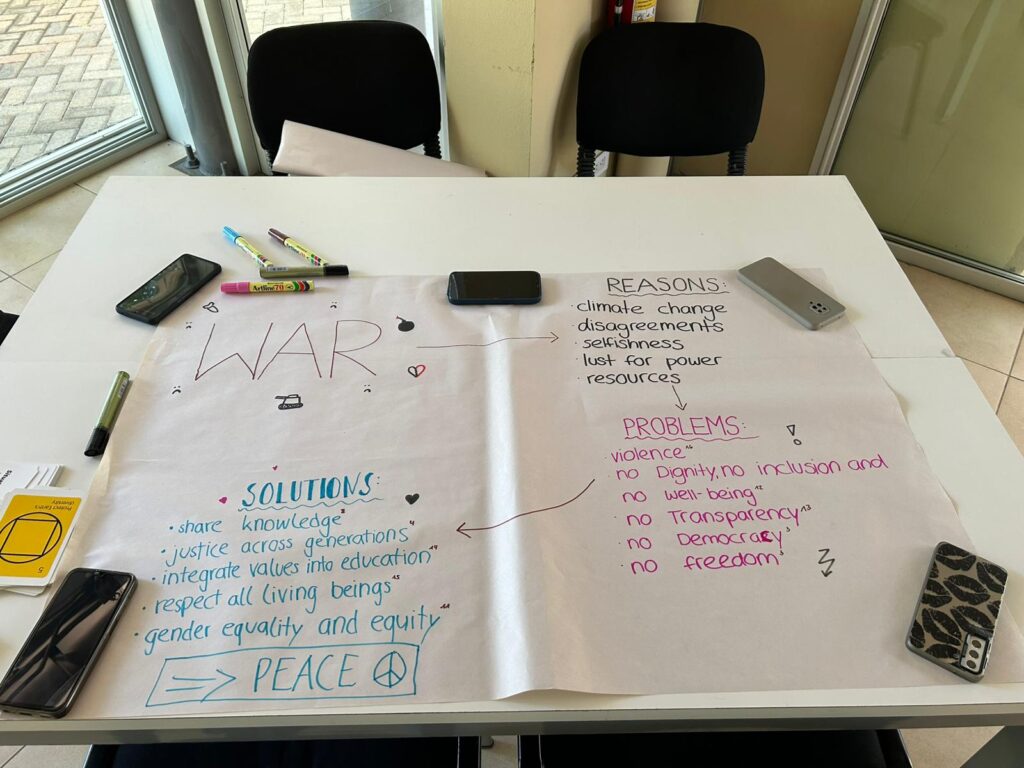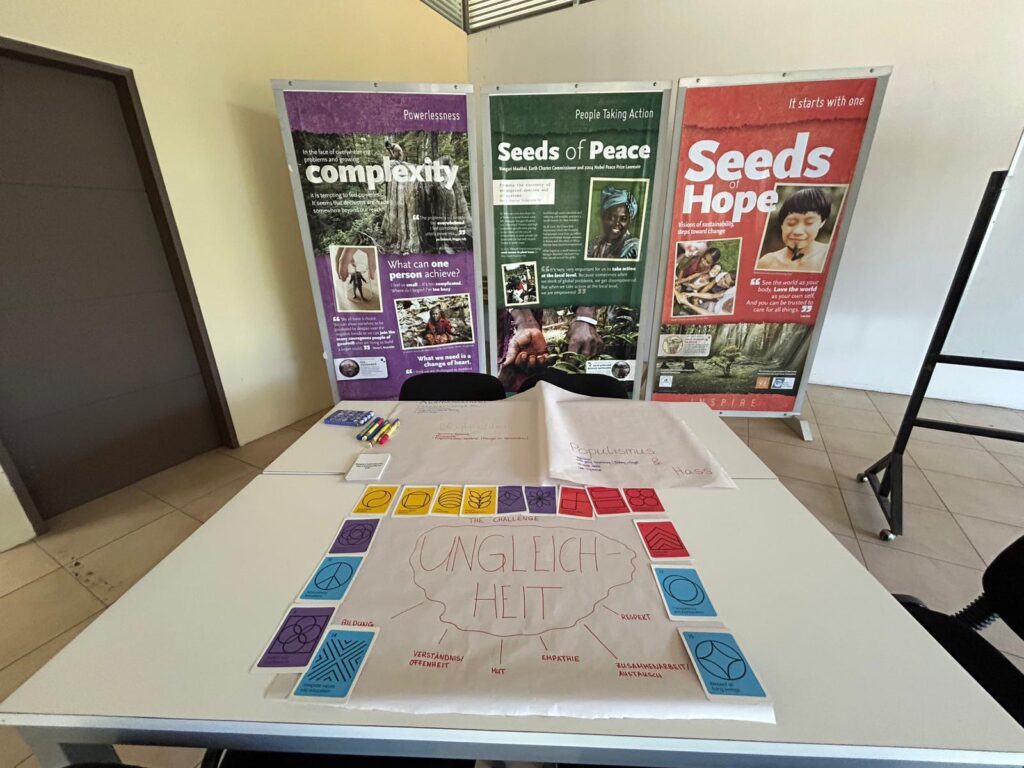


Between February 17 and March 3, 2026, the Earth Charter Center for Education for Sustainable Development received 60 exchange students from Germany, to participate in a series of workshops titled “Leadership for Sustainability with the Earth Charter.” The sessions took place in the Earth Charter Classroom at the University for Peace (UPAZ), in Costa Rica.
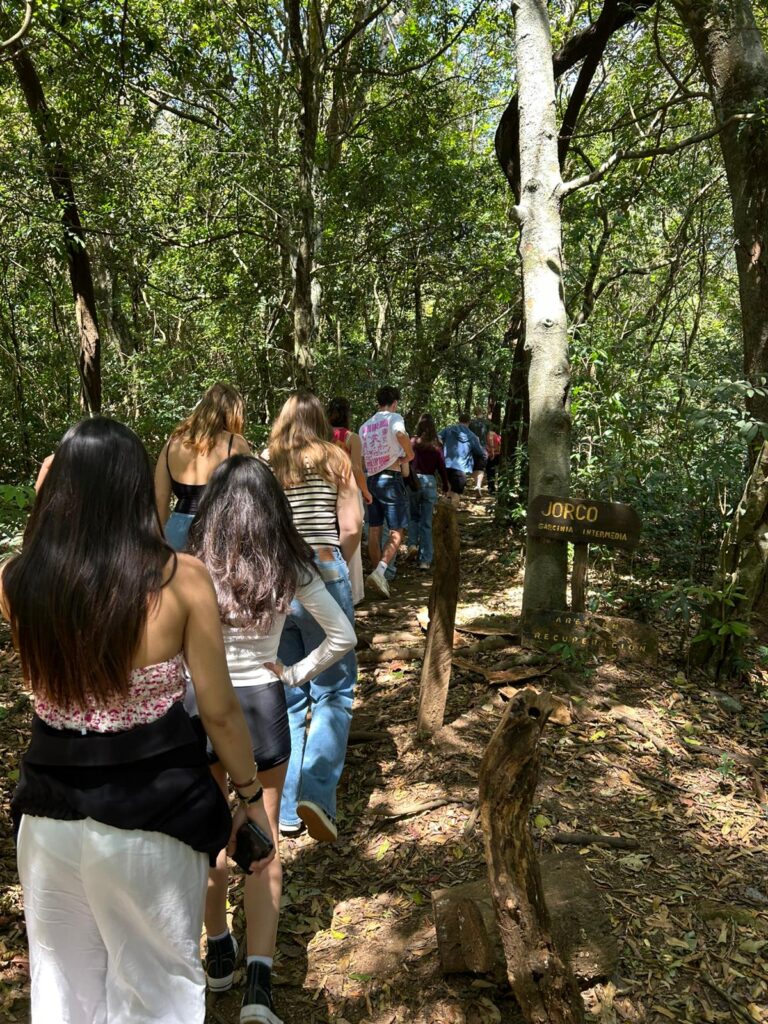
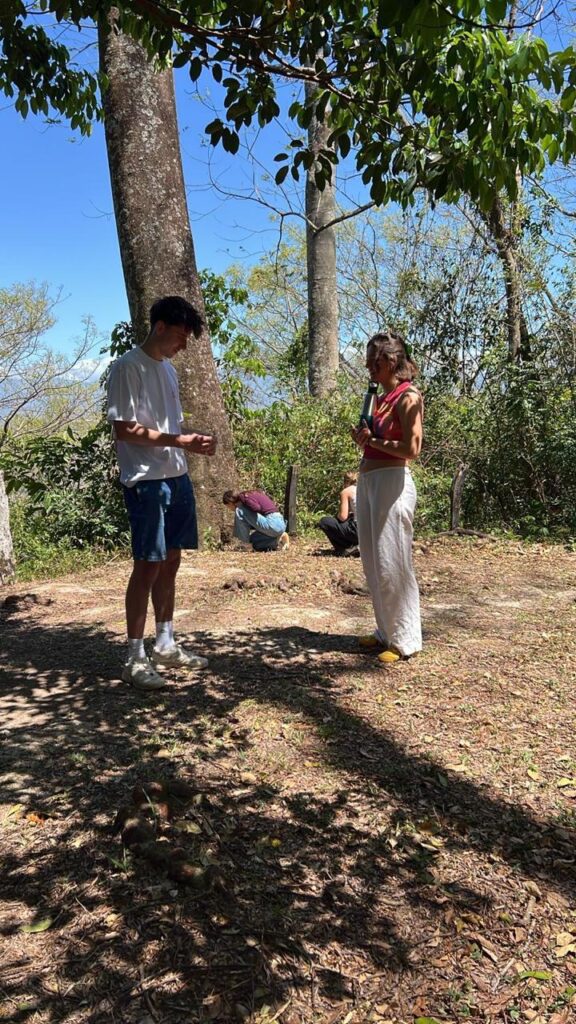
The objective of these workshops was to create a participatory space that would allow students to reflect on the interconnected global challenges facing the world today and explore how these relate to their own lives, communities, and responsibilities as global citizens. Through dynamic activities and experiences in contact with nature, the workshops also sought to strengthen understanding of sustainability, regeneration, and the importance of a global ethic to guide action.
One of the central moments of the workshop was the introduction to the Earth Charter as an ethical framework that invites individuals and organizations to build more just, sustainable, and peaceful societies. Students analyzed some of its principles and discussed how these can guide responsible decisions and actions in different contexts.
Likewise, the groups explored some of the most urgent environmental and social challenges of our time and reflected on the role of leadership in promoting sustainability. Through ethical dilemmas and reflective dialogue exercises, participants examined the qualities and competencies that can strengthen their capacity to act with responsibility, creativity, and commitment in the face of global challenges.
The day represented an opportunity to strengthen systems thinking, futures thinking, critical thinking, and values clarification, and thus broaden awareness of the interdependence between people, communities, and nature.
This type of initiative forms part of the Earth Charter’s ongoing commitment to promote educational processes that inspire values, knowledge, and skills oriented toward caring for the community of life. By involving young people from different countries and cultural contexts, these spaces contribute to strengthening a global citizenship committed to building a more sustainable and peaceful future.