Rights of Nature and Earth Community with Cormac Cullinan
Select Season
Listen to this episode: Duration: 48 min.


Quick Overview
What if the law did not see Nature simply as something we own, use, or protect, but recognized Earth as a living community with rights of its own? What would change if rivers, forests, ecosystems, and the living world were not merely objects of human concern, but subjects deserving respect and protection?
In this conversation, with South African environmental lawyer and author, Cormac Cullinan, we explore the evolution and impact of the Rights of Nature movement, the significance of the 2010 Universal Declaration of the Rights of Mother Earth, and the possibilities for transforming both our legal systems and our relationship with the natural world. Cullinan reflects on the influence of the Universal Declaration and the experimental and restorative role of the International Rights of Nature Tribunal. He shares insights from place-based initiatives involving Table Mountain in Cape Town, South Africa, and Antarctica, illustrating how the recognition of Nature’s rights can take different forms in different contexts. The conversation also explores the deeper ethical foundations of Earth jurisprudence and its connections with the Earth Charter, particularly its recognition that humanity is part of a larger community of life. Cullinan explains why the language of harmonious coexistence with Nature matters and why transforming our legal systems is essential if societies are to respect and sustain the health and integrity of the Earth community. The conversation closes with a call for education, collaboration and the emergence of a broad movement of people whose primary allegiance is to our shared living planet.
Questions and Topics Addressed in this Episode
- Sixteen years after the Universal Declaration of the Rights of Mother Earth, adopted at the World People’s Conference on Climate Change and the Rights of Mother Earth in Cochabamba, Bolivia, in 2010, how do you assess the impact and influence of the Declaration?
- What is the International Rights of Nature Tribunal, and how does it work?
- What is the initiative to have the Table Mountain, in CapeTown, recognized as a living, “more-than-human” community?
- What is the proposed Declaration for the Rights of Antarctica? What are the key arguments behind this initiative, why is this important and what are you ultimately seeking to achieve?
- The Wild Law Institute works with the concept of Harmonious Coexistence Within Nature (HCWN), which resonates strongly with the vision expressed in the Earth Charter. How do you understand this concept, and why do you think it is important at this particular moment in history? How to foster that?
- In your book Wild Law: A Manifesto for Earth Justice, you outline an Earth-centered approach to reordering human societies and rethinking law and governance and you also refer to the Earth Charter and to the idea of an Earth Community, which is central to the Charter’s vision. How do you see the relationship between the Earth Charter’s understanding of Earth Community?
- Do you see the Earth Charter and the Rights of Nature movement as mutually reinforcing?
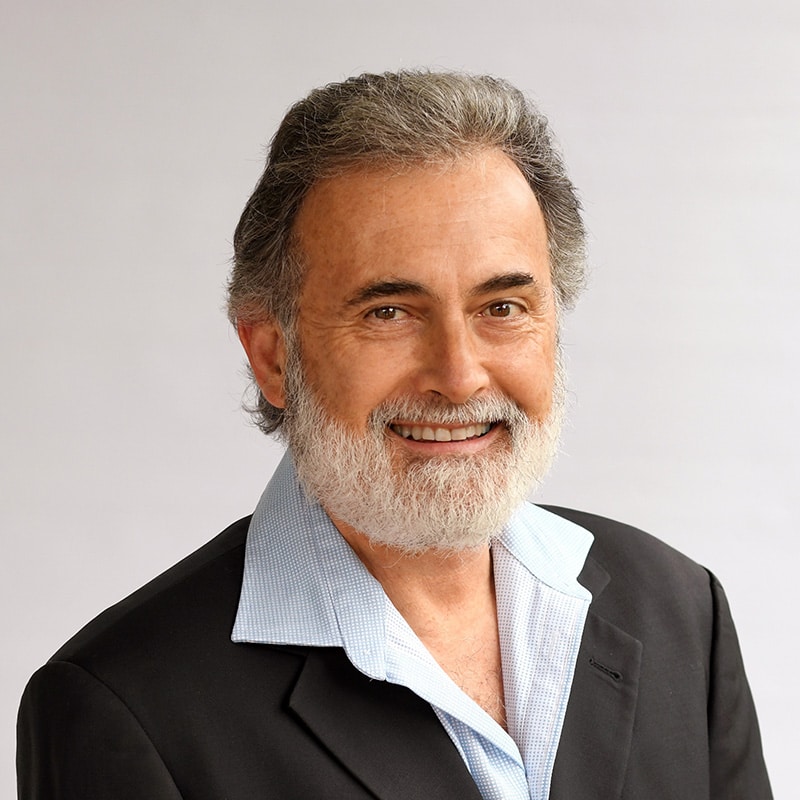
Cormac Cullinan
Rights of Nature and Earth Community
Who is Cormac Cullinan?
Cormac Cullinan is a South African environmental lawyer, author, and activist who has worked for more than 25 years at the intersection of environmental law, ecological sustainability, and the rights of the natural world. He is the founder and managing director of the Wild Law Institute, which works in alliance with Indigenous and local peoples, organizations, and individuals around the world to pioneer laws and practices that enhance the health and vitality of the Earth. Cormac led the drafting of the Universal Declaration of the Rights of Mother Earth, proclaimed in 2010 at the World People’s Conference on Climate Change and the Rights of Mother Earth in Cochabamba, Bolivia. The Declaration became an important milestone in the growing global movement to recognize the rights of Nature and to rethink the relationship between humanity and the Earth. He is also a founder and Executive Committee member of the Global Alliance for Rights of Nature (GARN) and plays a leading role in the Antarctic Rights and Table Mountain Rights initiatives. He is a recipient of the Nick Steele award for the South African environmentalist of the year (2012), the Ecologic awards for lifetime achievements (2018) and eco-leadership (2021) and the Shackleton Medal for the protection of the Polar Regions (2025).
This podcast is developed by Earth Charter International as part of our work as UNESCO Chair on Education for Sustainable Development with the Earth Charter.