

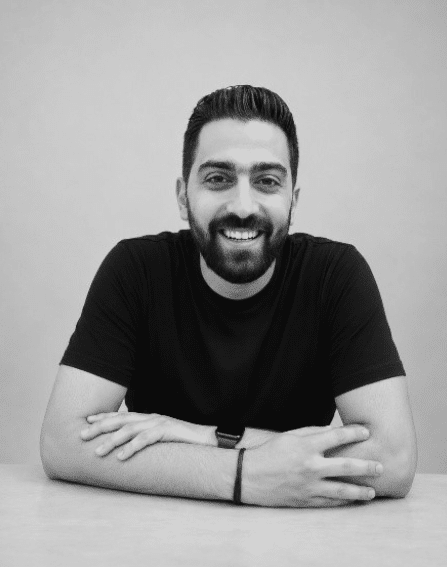
By Mahmoud Harkouss, Earth Charter Educator, Lebanon.
When I began my final project for the Online Certificate on Education for Sustainable Development, I thought I was going to assess a school against 62 indicators. I did not expect that, somewhere along the process, those same indicators would also change the way I see schools.
I chose Monte Lebanon Montessori School, a first-year school in Beit Mery, Lebanon. The school had never been coached on the Earth Charter or prepared for the School Seal assessment, nonetheless, many of the actions implemented in the school reflect the essence of the Earth Charter.
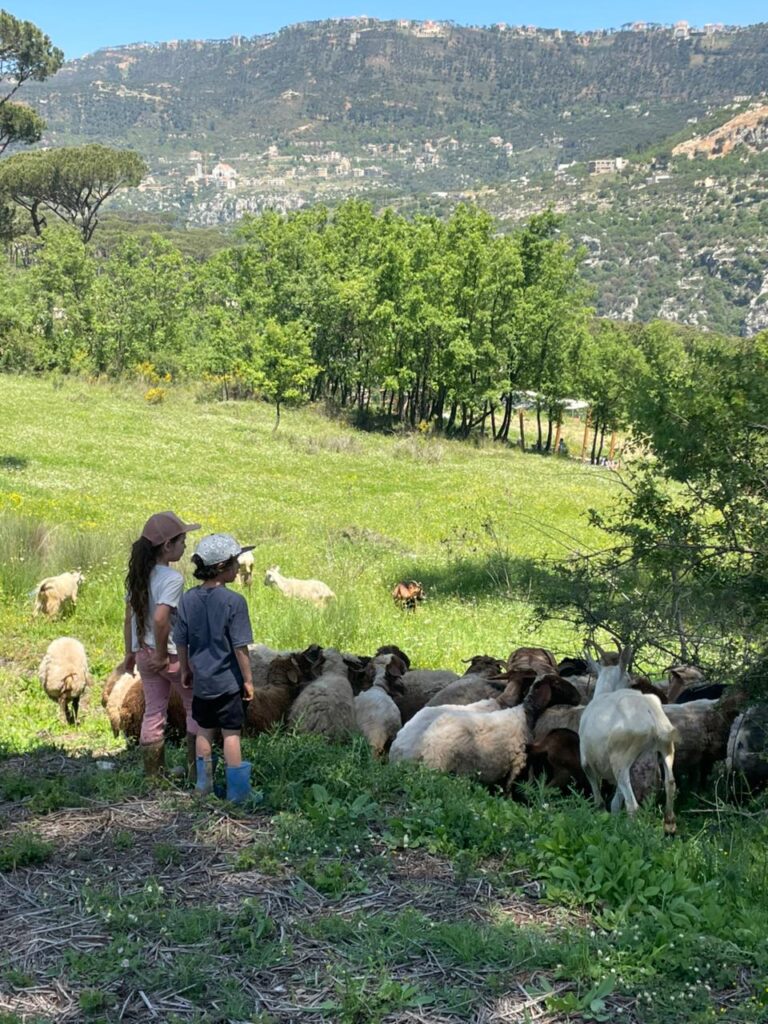
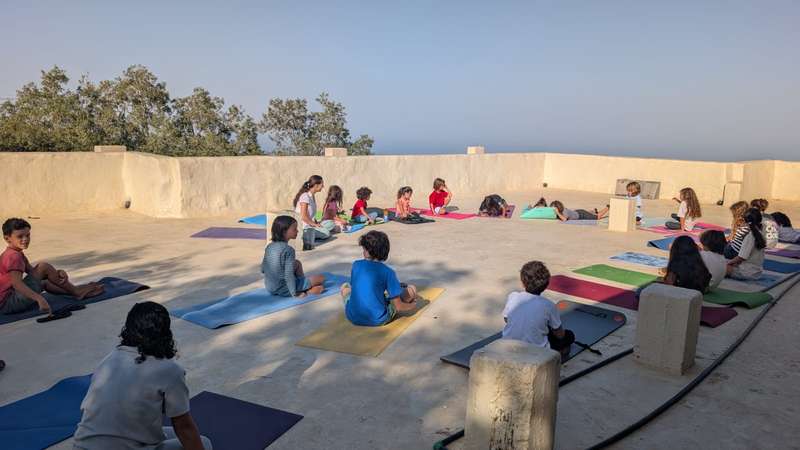
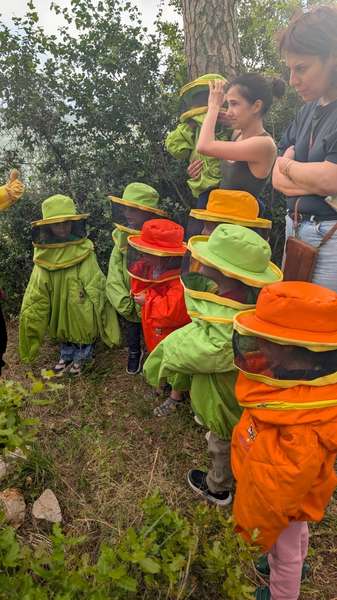
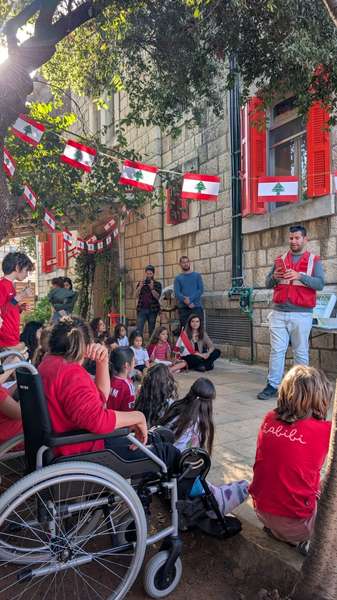
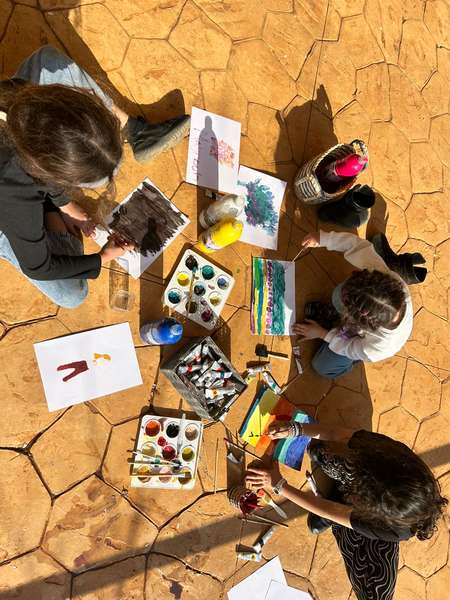
The most exciting part of the process was collecting the evidence. It felt less like conducting an assessment and more like exploring new worlds. With one indicator, I would discover the school’s food forest or beekeeping; with another, mindfulness and peace education; then sustainable procurement, community support, cultural inclusion, water conservation and much more. Again and again, I found myself thinking that this school was translating the Earth Charter into concrete actions.
The school eventually scored 147 out of 186, reaching the Intermediate level. Being a Montessori school was certainly a catalyst. Its emphasis on interdependence, respect, independence, community and connection with nature created fertile ground. But Montessori alone did not produce this result. The owners, educators, parents and children form a community where sustainability is already part of everyday thinking and practice.
This is where the idea of organic alignment became meaningful to me. These practices were not introduced because an assessment required them to do so. They were already part of the school’s daily life. The Earth Charter gave us a way to see and recognize them, name them and, just as importantly, identify where there was still room to grow.
The assessment therefore became a mutual learning experience. The school discovered how many of its everyday practices connected with wider Earth Charter values and the approach of education for sustainability, while I discovered what those values actually look like when they move from the pages of a course into the life of a school.
Perhaps my biggest discovery, however, was my own changing lens.
Studying ESD, particularly worldviews, interdependence and whole institution approach, changed what I notice in education. Today, when I visit a school, I notice things I might once have walked past: how people relate to one another, how nature is present, whose voices are heard, how conflict is approached, how communities participate, and whether values are merely written or genuinely lived.
The project ended, but the curiosity did not.
I now find myself looking at other schools, universities and educational institutions and wondering: What would these 62 indicators reveal here? And what might these institutions discover about themselves?