

On May 25, 2026, the webinar: “Exploring Jeremy Lent’s new book: “Ecocivilization: Making a World that Works for All” was held online.
This webinar was organized by Earth Charter International, in collaboration with the Club of Rome, the Yale Forum on Religion and Ecology, the EcoCivilization Coalition and the Wellbeing Economy Alliance (WEAll).
Themes of this webinar focused on ideas Jeremy presents in his new book, which was published on May 26, 2026. Jeremy presented the main ideas from his book including his reflections on what is necessary to develop a global Ecological Civilization Coalition. Featured speakers and commentators in this webinar were:
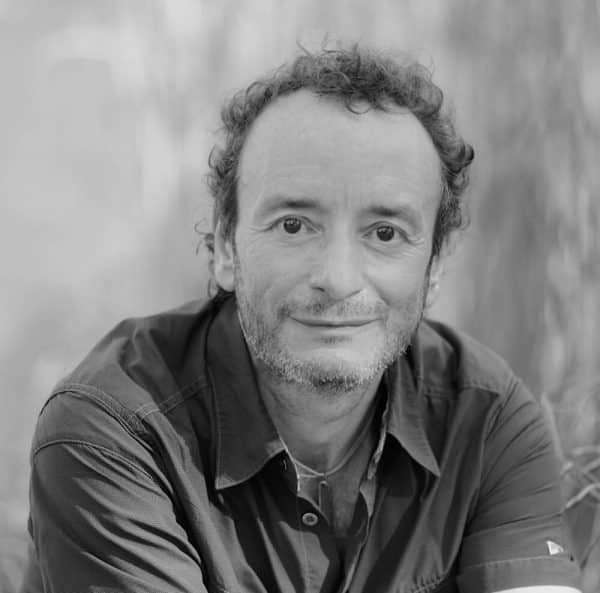
- Jeremy Lent, featured speaker and author of “Ecocivilization: Making a World that Works for All” and founding member of the EcoCivilization Coalition.
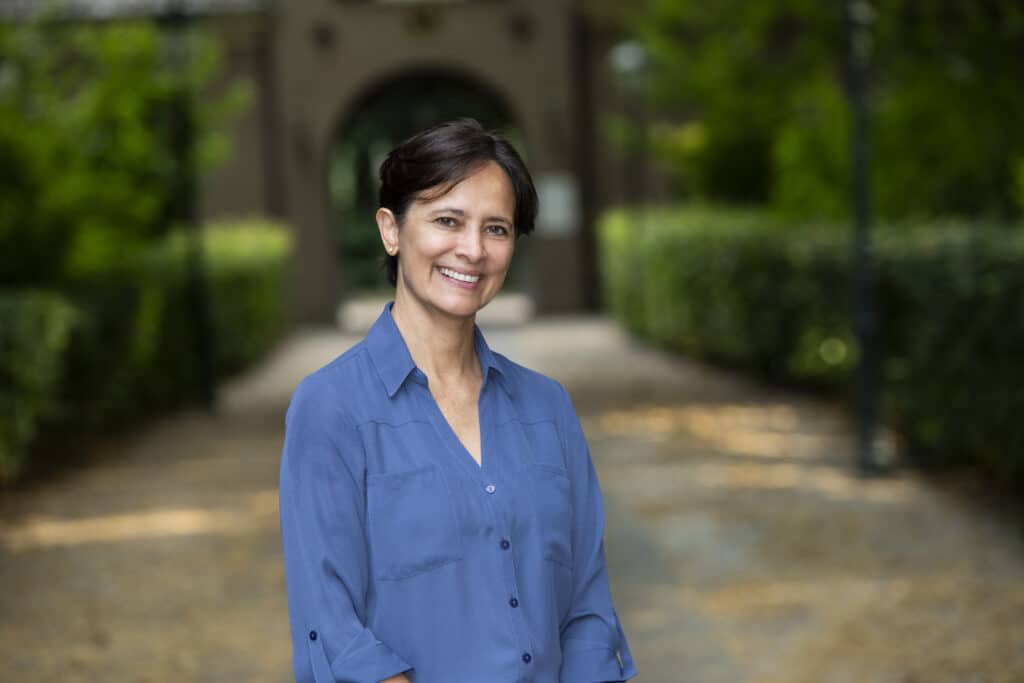
- Mirian Vilela, executive director of Earth Charter International who was a commentator.
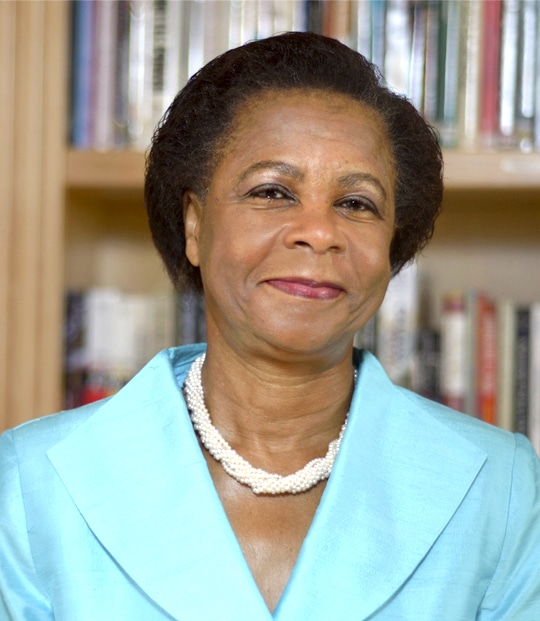
- Mamphela Ramphele, co-president of the Club of Rome who was a featured commentator.
- Lynn Murphy (session moderator), a strategic advisor for foundations and NGOs, co-author of Post-Capitalist Philanthropy, and former senior fellow at the William and Flora Hewlett Foundation who served as the moderator.
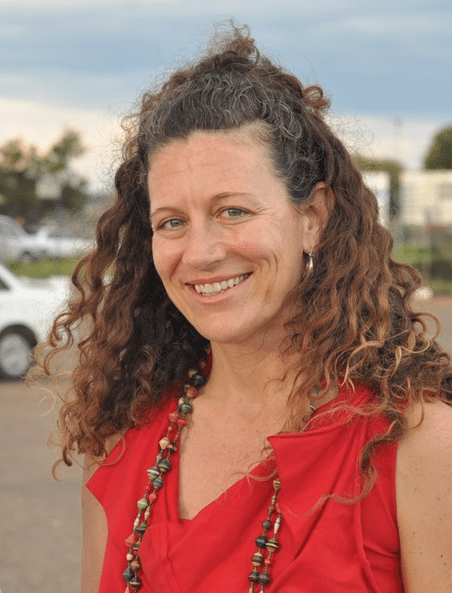
Jeremy Lent opened the webinar with a discussion of the four main themes he explores in his new book: reflections on the history of global systems that govern us today, what constitutes an EcoCivilization, development of an EcoCivilization, and a proposed framework for achieving transformation to an EcoCivilization. The principles he sees as imperative to an EcoCivilization are based on the moral foundation outlined in The Earth Charter: “[The Charter] are the principles of an EcoCivilization; emphasizing quality of life rather than material possessions and building the human future, civilization’s future on the basis of symbiosis with the living earth where flourishing of the natural world is a foundational principle.”
Mirian Vilela asked questions that allowed Jeremy to further expound on the importance of collaboration between movements and generations working towards social change. Together they discussed recent positive developments that contribute to the building of an ecological civilization such as the United Nations General Assembly adoption of the resolution on States obligation to tackle climate change and the Conference in Colombia fostering a roadmap to transition away from fossil fuels. Both provide good examples of collaboration among international movements that “make the impossible possible.”
Mamphela Ramphele highlighted a major point Lent makes in his book inviting participants to look back at the lasting impact of Margaret Thatcher’s political slogan TINA (“There Is No Alternative [to Capitalism]”), which fueled the current predominant narrative. She encouraged bold collaborative action to achieve the EcoCivilization proposed in Jeremy’s book, stating that “we need to reimagine freedom for a people who have rediscovered who they are and how we are connected.”
Mirian Vilela also spoke on the ways in which The Earth Charter serves as a solid foundation for building an ecological civilization and how ECI is keen to contribute to the Ecological Civilization Coalition through transforming education. She calls for this generation to accept the responsibility of starting an effort to not only envision a new kind of civilization for future generations, but also to build the path that allows the change to occur, such as by demonstrating collaboration between different generations, movements, and cultures.