

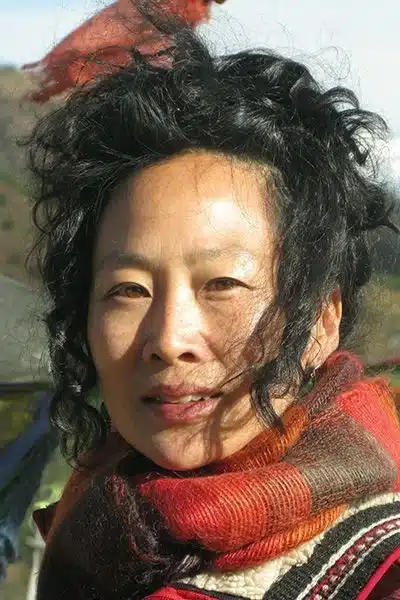
New Earth Charter Podcast episode featuring Julia Kim, a global expert on well-being and wellbeing economics, former Programme Director of the Gross National Happiness Centre in Bhutan, and member of the Club of Rome.
In this inspiring conversation, Julia explores the origins and evolution of Gross National Happiness (GNH), Bhutan’s pioneering development framework that places the happiness and well-being of people, communities, and all life at the center of governance and public policy. Drawing on her experience in Bhutan and her work in diverse contexts, she reflects on how GNH has influenced Bhutanese culture, environmental stewardship, education, and civic responsibility.
The episode examines what the world can learn from Bhutan’s holistic approach to development and well-being. Julia discusses the Four Pillars and Nine Domains of GNH, the importance of a deep sense of community and spirituality, and the relationship between inner transformation and systems change. She also shares insights into the role of music and the arts in nurturing well-being, introducing four dimensions of inner well-being: Awareness, Connection, Insight, and Purpose, as essential foundations for personal and collective transformation.
She said that one of the interesting things about Bhutan is that their spiritual and cultural roots for their idea of happiness and well-being go back hundreds of years… it is based on the understanding that “the well-being and happiness of people and life should be the center of what the government does, otherwise the government has no reason to exist.”
Julia highlights the relevance of Earth Charter values in addressing today’s social and ecological challenges and offers reflections on ethical leadership, ecological civilization, and the need to redefine progress beyond material accumulation. Concluding with a message of hope and resilience, Julia reminds us that meaningful change often unfolds gradually and in ways that cannot always be measured nor controlled calling on us to trust in the transformative power of care, connection, and a shared commitment to the well-being of the community of life.
“Inner and outer development need to go hand-in-hand”