Inner Well-Being, Social Change, and Gross National Happiness with Julia Kim
Select Season
Listen to this episode: Duration: 51 min.


Quick Overview
Julia shares the origins of Gross National Happiness (GNH) in Bhutan and how its origins in the 1970’s has impacted the development of Bhutan and shaped its policies and culture. By putting the happiness and well-being of all people and all life at the center of development and growth, there are noticeable differences in the way Bhutanese citizens care for each other, how their children speak of their futures, and how citizens hold their government accountable. The inclusion of all life in the measure of happiness extends to policies that curb emissions, protect forests, and limit the impacts of tourism. Julia also discusses the role of music in the development of culture and nurturing our well-being, relating improvisation to the ways in which we should approach envisioning the future. She delved into the idea of awareness and inner well-being and shares four dimensions of well-being Awareness, Connection, Insight and Purpose. She concludes by sharing a message of hope and resilience as humanity works towards an ecocivilization, recognizing that change is difficult and takes time but requires trust that change may be occurring in ways we cannot easily measure.
Questions and Topics Addressed in this Episode
- What is your perspective on Gross National Happiness and its significance in our time?
- What are the Four Pillars and Nine Domains of GNH as identified in Bhutan?
- How effective has the implementation of GNH in Bhutan been as a framework for governance and development?
- What could be a story or experience that captures the spirit of Bhutan?
- What can the rest of the world learn from Bhutan’s understanding of happiness and well-being?
- What role does community play in Bhutanese culture?
- How did spirituality in your upbringing shape your worldview and sense of well-being?
- How do you perceive the relationship between inner well-being and inner transformation in systems change?
- Thoughts on this quote from The Earth Charter: “We must realize that when basic needs have been met, human development is primarily about being more, not having more.”
- As a musician, how do you see the role of music and art in nurturing our well-being?
- What are your thoughts on the importance of cultivating our understanding and sense of community with the importance of living with care for the community of life?
- How do you envision the path towards a more ecological civilization?
- Can you share an example of how ethical leadership can play a role in social transformation?
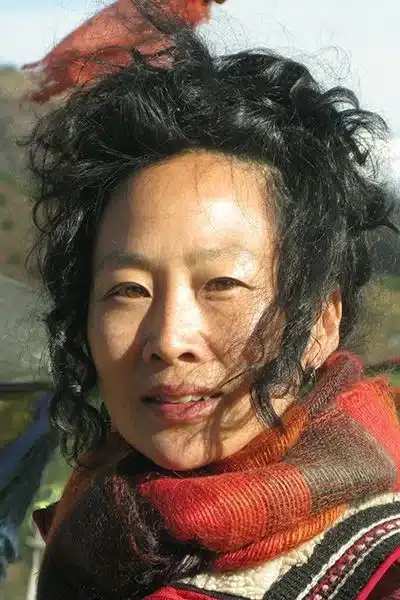
Julia Kim
Inner Well-Being, Social Change, and Gross National Happiness
Who is Julia Kim?
Julia Kim is a Global Wellbeing and Wellbeing Economics expert, with a career as a physician and public health researcher in Africa and Asia. She is a member of the Club of Rome, one of the world’s most influential think tanks on global challenges and long-term sustainability. She is former Senior Policy Advisor at the United Nations (UNDP and UNICEF), and former Programme Director at the GNH / Gross National Happiness Centre in Bhutan. Julia holds degrees from the University of Manitoba, Cornell University, Tufts University, and the London School of Hygiene and Tropical Medicine.
This podcast is developed by Earth Charter International as part of our work as UNESCO Chair on Education for Sustainable Development with the Earth Charter.